

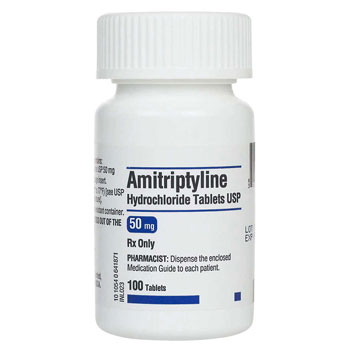
Amitriptyline 50 mg is a prescription medicine widely used in the UK for several conditions, most commonly depression, neuropathic (nerve) pain, and migraine prevention. It belongs to a class of drugs called tricyclic antidepressants (TCAs), which affect levels of neurotransmitters such as serotonin and noradrenaline in the brain.
Although originally developed as an antidepressant, in modern UK practice amitriptyline is often prescribed at lower doses for chronic pain conditions, especially nerve-related pain such as diabetic neuropathy, post-herpetic neuralgia, and fibromyalgia. It is also commonly used in the prevention of recurrent migraines and tension-type headaches.
The 50 mg dose is considered a moderate therapeutic dose, although for pain conditions patients are often started on much lower doses (e.g., 10–25 mg) and gradually increased depending on response and tolerance. For depression, higher doses may be used under specialist supervision.
Clinical evidence shows that amitriptyline can be effective in reducing chronic pain intensity, improving sleep quality, and lowering migraine frequency, although benefits may take several weeks to develop. Its sedative properties are often helpful for patients who also struggle with sleep disturbance.
In the UK, amitriptyline is a prescription-only medicine (POM) and must be used under medical supervision. Common side effects include drowsiness, dry mouth, constipation, blurred vision, and weight gain. Because it can cause sedation, patients are often advised to take it at night and avoid driving until they know how it affects them.
UK prescribing guidelines recommend using the lowest effective dose for the shortest necessary duration, particularly in older adults due to increased sensitivity to side effects such as confusion and dizziness.